Unlock community capital for Canada

Non-profits, charities, and co-operatives are building the affordable housing, clean energy projects, and community infrastructure that Canadians need — but the federal tax system is holding them back. The Fall 2026 Budget could change that.
The Canadian Coalition for Community Capital is an advocacy network of more than 30 organizations across the country dedicated to strengthening the policy environment for community investment.
why this matters now
Canada’s retail investment market is valued at about $4 trillion.
Meanwhile, communities across the country desperately need affordable housing, clean energy, and local infrastructure. Non-profits, charities, and co-operatives build these things and Canadians want to invest in them.
Some already are. For example, community bonds have raised $170 million from 6,000 everyday investors without any government support.
But most Canadians can't easily direct their savings toward the projects that need funding.
These investors have no loss protection, there's no tax credit, and the institutions that make community investment possible are chronically underfunded.
Five targeted reforms would change that — and build a stronger retail market for community capital.

Let more Canadians place their community investments into registered accounts by removing the asset-backing requirement — up to $20,000/year.
1
Protect investors by letting them claim 75% of any loss against their taxable income.
2
Create a 30% tax credit — 20% reduces what you owe, 10% is cash back.
3
Let co-operatives raise capital from anyone, not just their members.
4
Fund and accredit the institutions that make community investment work.
5
What the numbers show
Up to 3,450
housing units
supported
Up to 22,600
jobs created
Up to $3 billion
Labour income
Up to $1.7 billion
GDP generated
Between $15.7 million and $47.3 million in average annual government investment
Community Capital at Work
Even without government support, Canada has seen over $170 million invested in community bonds and hundreds of millions more in cooperative shares.
Here are a few real-life examples.
-
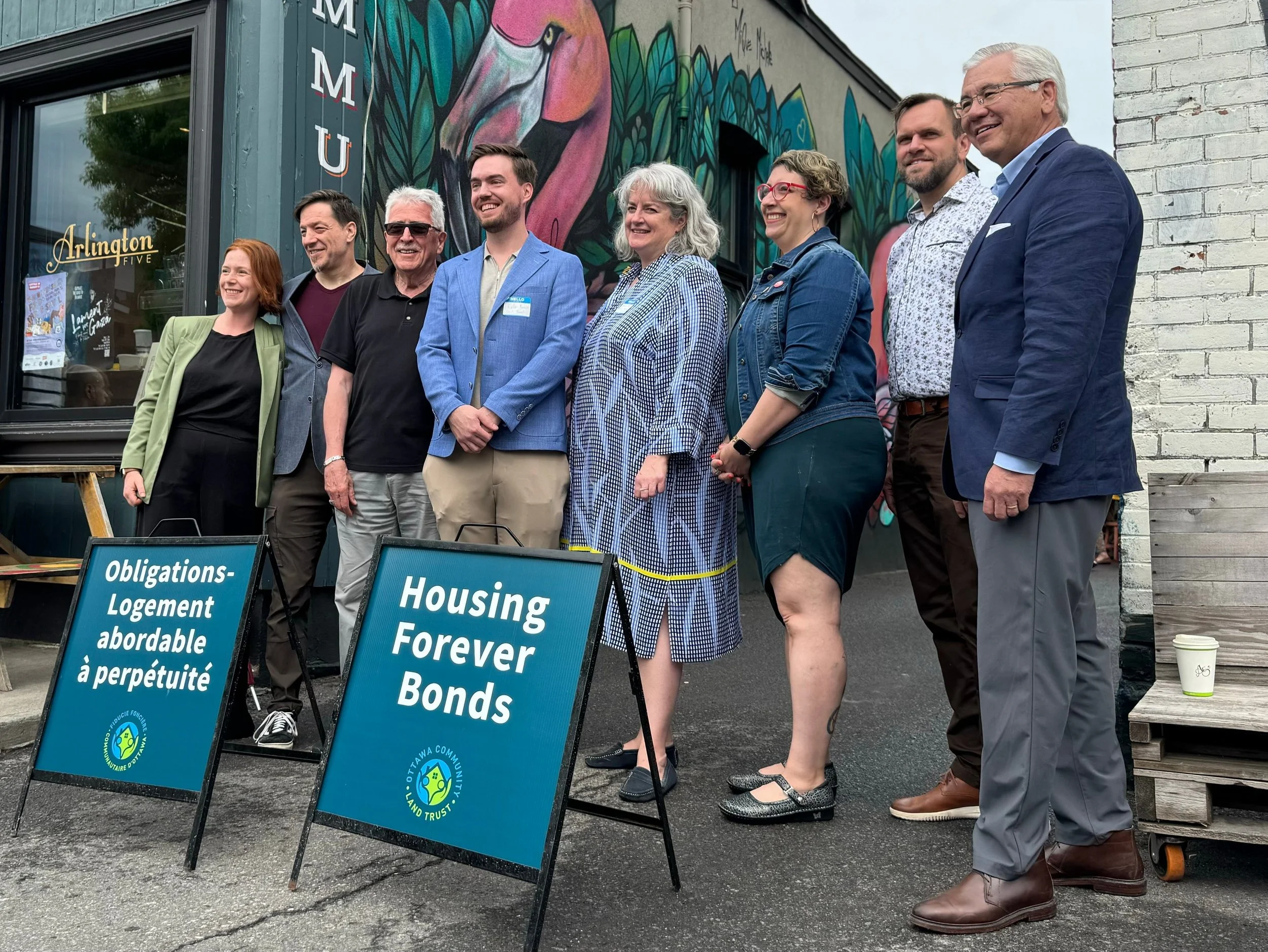
![Group of nine people standing outside in front of a colorful mural, smiling. Two signs read 'Obligations-Logement abordable à perpétuité' and 'Housing Forever Bonds.' The individuals are dressed in casual and business attire, and there is a coffee cup on the ground.]()
Ottawa Community Land Trust — Ottawa
The Ottawa Community Land Trust (OCLT) raised $3 million to help preserve permanently affordable housing in Canada's capital, demonstrating how local residents can directly invest in strengthening their own neighbourhoods. Now, OCLT is collaborating with one of Ontario’s largest nonprofit housing providers, Centretown Citizens Ottawa Corporation, to raise a combined $25 million in community bonds to build new and save existing affordable housing.
-
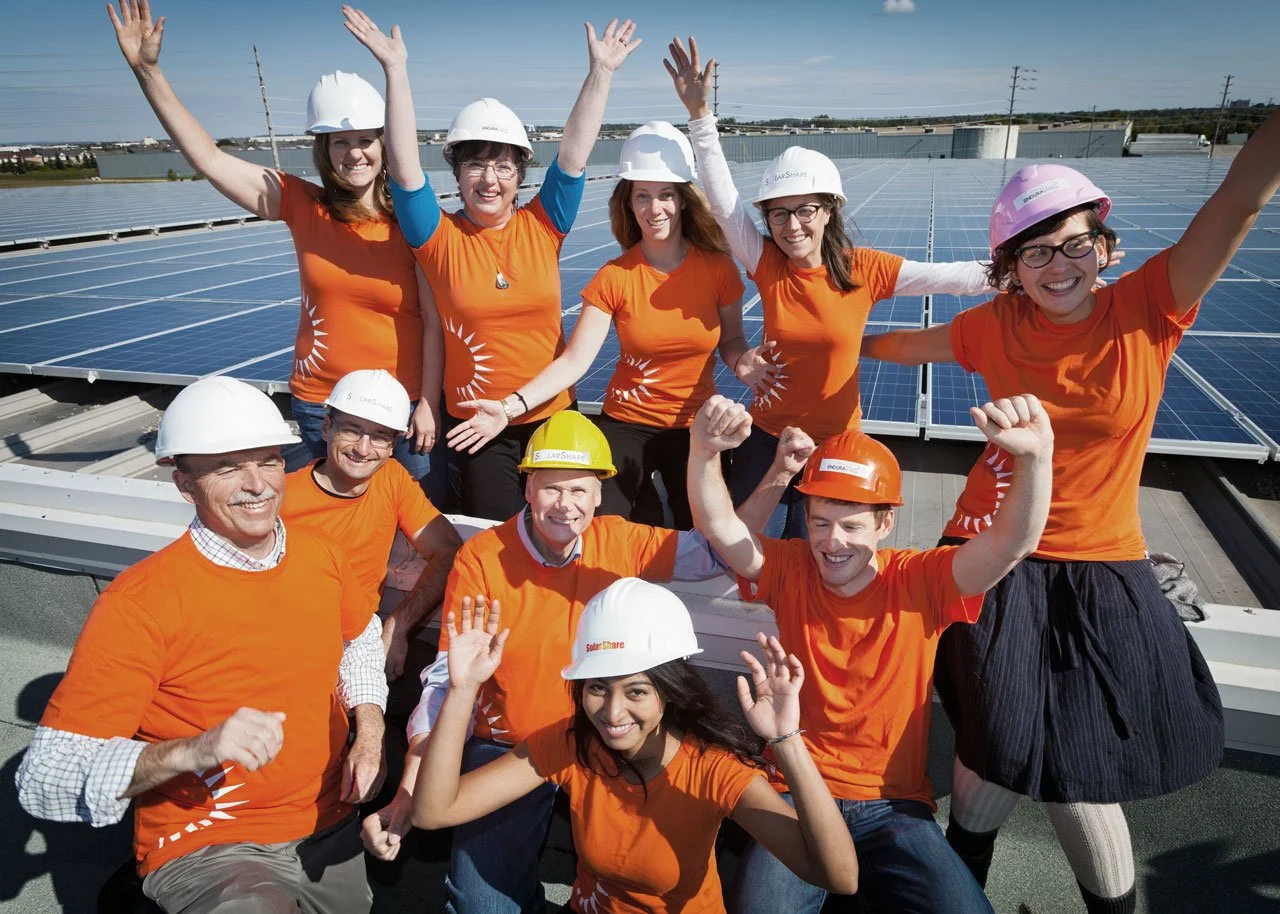
![Group of nine people wearing orange shirts and safety helmets celebrating on a rooftop with solar panels.]()
SolarShare — Ontario
SolarShare Co-operative has raised over $80 million in community bonds purchased by thousands of investors, all to finance community-owned solar energy projects across Ontario. By enabling Canadians to invest directly in renewable energy, SolarShare has demonstrated how community investment can accelerate the clean energy transition while generating both financial and environmental returns.
-
![People working in a food production or packaging facility, wearing white coats, hairnets, and face masks, packaging food products in green bags, with digital scales on the table.]()
Groupe TAQ — Quebec City
Groupe TAQ provides stable, meaningful employment to people with disabilities in Quebec City. In 2025, they completed the largest community bond campaign in Quebec history, raising $5 million from 65 investors to create 50 new jobs and expand operations. Since 1979, TAQ has created over 1,000 quality jobs for people with disabilities.
-
![A room with large windows letting in sunlight, a round white table surrounded by five green velvet chairs, green plants in yellow planters, a wooden bookshelf, and a large decorative white spherical chandelier.]()
10C Shared Space — Guelph
10C is a community hub in downtown Guelph, home to 200+ members working across every sector. Since 2015, $2.75 million in community bonds raised by 140 investors has financed the purchase and maintenance of their landmark 15,000 sq ft building. Bondholders earn roughly $90,000 in returns annually while keeping vital community infrastructure permanently out of private hands.
-
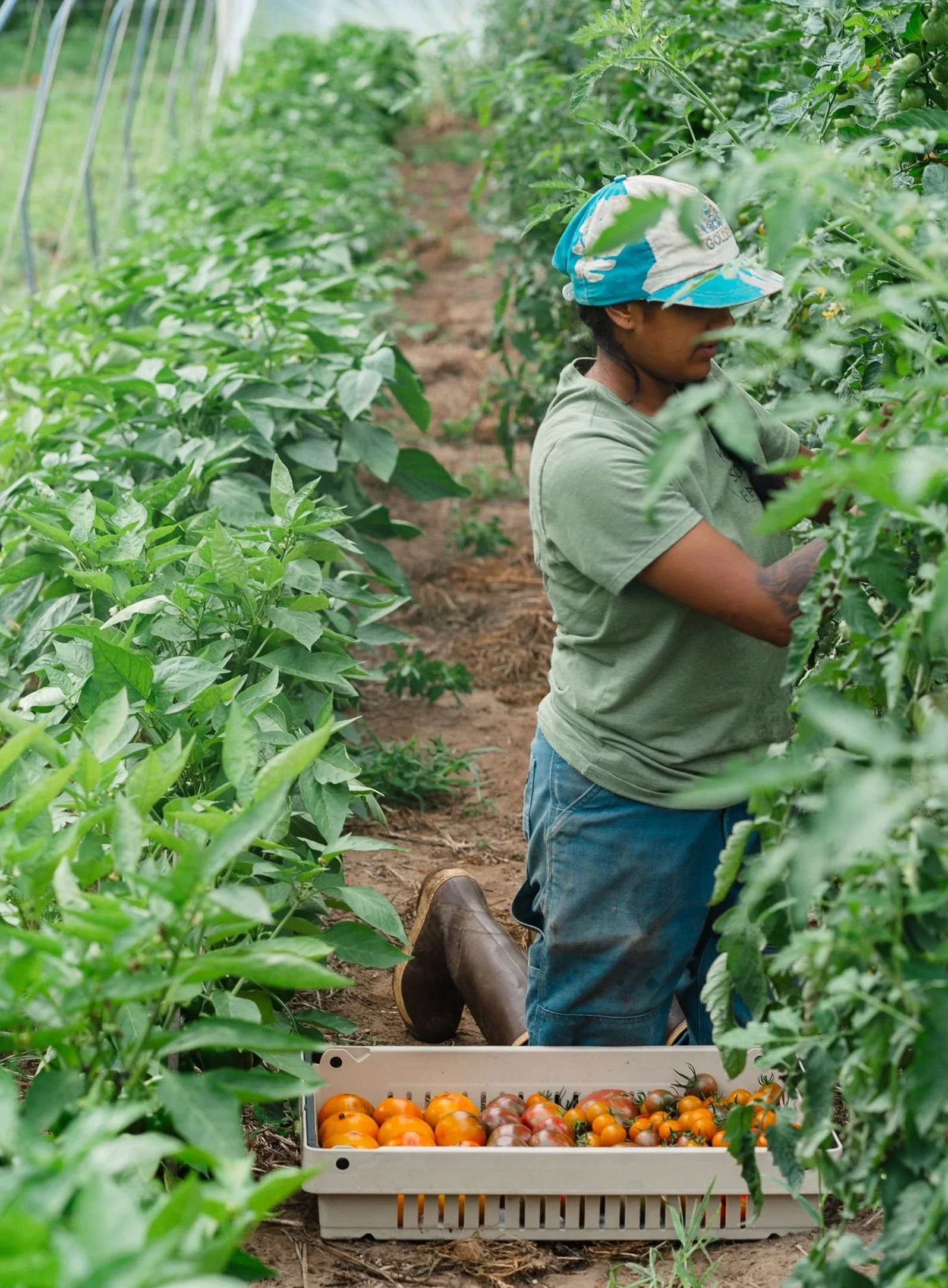
![Person harvesting tomatoes in a greenhouse with a white crate of harvested tomatoes at their feet.]()
Fair Finance Fund — Ontario
The Fair Finance Fund is Ontario's first social finance lender dedicated to the local food and farm sector. Through community bonds (that start at a minimum of $5,000), investors fund loans of up to $200,000 for producers, processors, and farmers turned away by traditional lenders. Over 40 enterprises have been supported to date, with each loan paired with up to 10 hours of hands-on
-
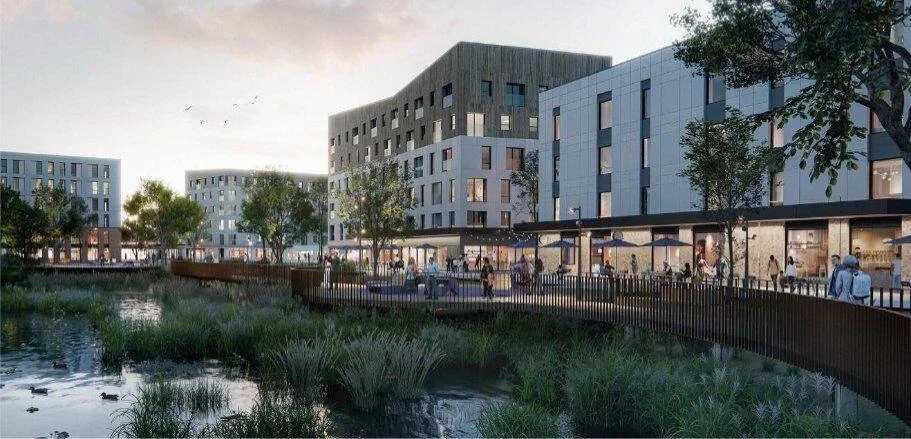
![Modern multi-story buildings with ground-floor shops and outdoor seating, overlooking a pond with ducks and surrounding greenery, during dusk.]()
Union Cooperative — Kitchener-Waterloo
Union Co-operative purchases and permanently preserves affordable rental housing in Waterloo Region. Through community bonds and preference shares, over 200 community members have become co-owners of neighbourhood properties, locking in rents for the long term. Their first project protected 58 units on Lancaster Street, at rents well below the $2,300 market average for a two-bedroom in Kitchener.
-
![]()
Radstorm — Halifax
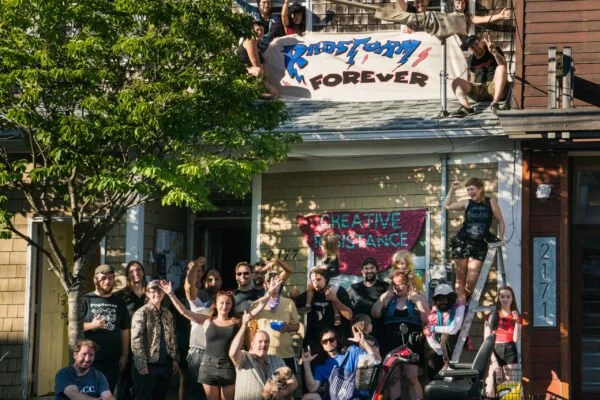
RadStorm is a collectively-run, volunteer-powered arts centre in Kjipuktuk/Halifax that has served the city's DIY arts community for over 20 years. Home to an all-ages music venue, a screen printing studio, a zine library, and a free community fridge, RadStorm used community bonds to help purchase their longtime home at 2177 Gottingen Street — keeping it in community hands permanently.
-
![]()
Propolis Housing Co-operative — Kamloops
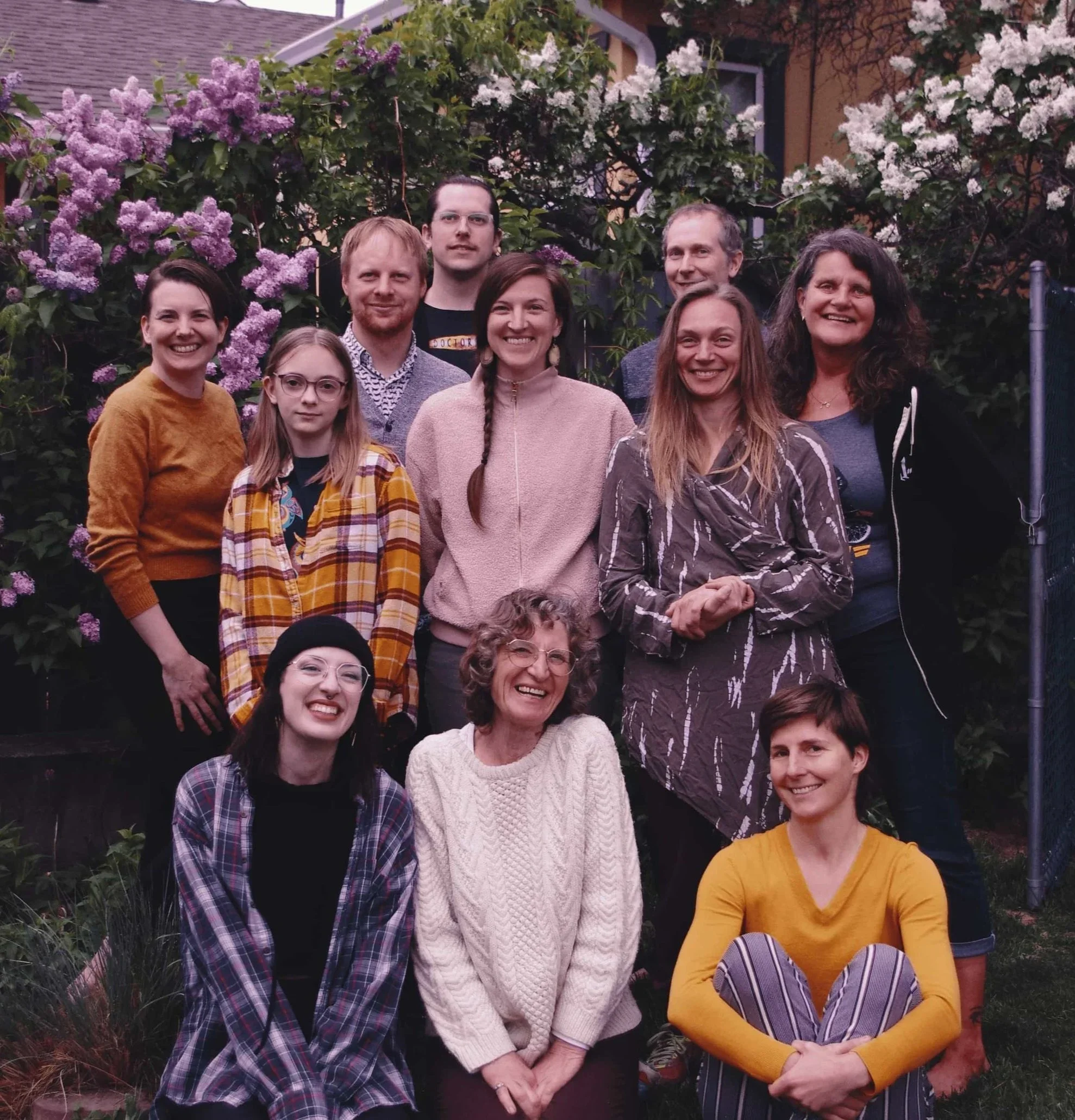
Propolis Housing Co-operative raised $1.1 million from 101 investors to advance a 53-unit, net-zero affordable housing project in Kamloops — the first community bond campaign in Western Canada. The raise included a collaborative investment from five regional community foundations. All 53 units will be priced below market rent as permanently affordable non-profit co-operative housing, with occupancy targeted for 2027.